



Desert Hairy Scorpions in Arizona: Where They Live, What They Eat, Are They Dangerous, and How Pest Control Bros Can Help
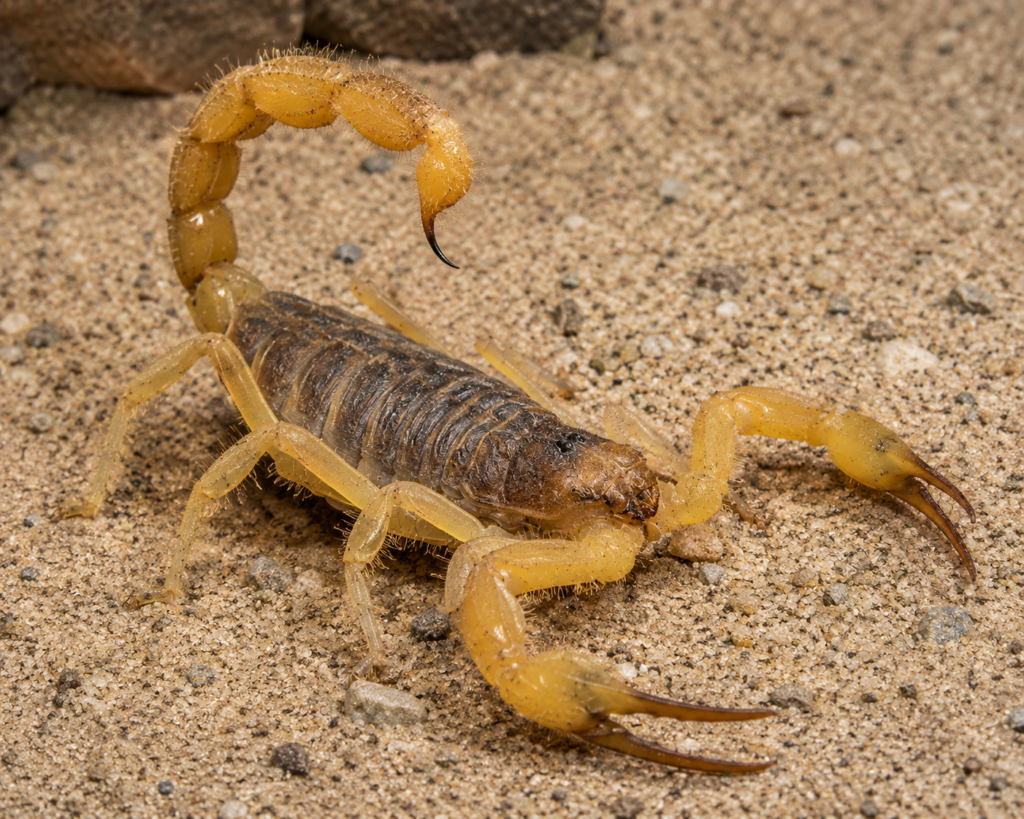
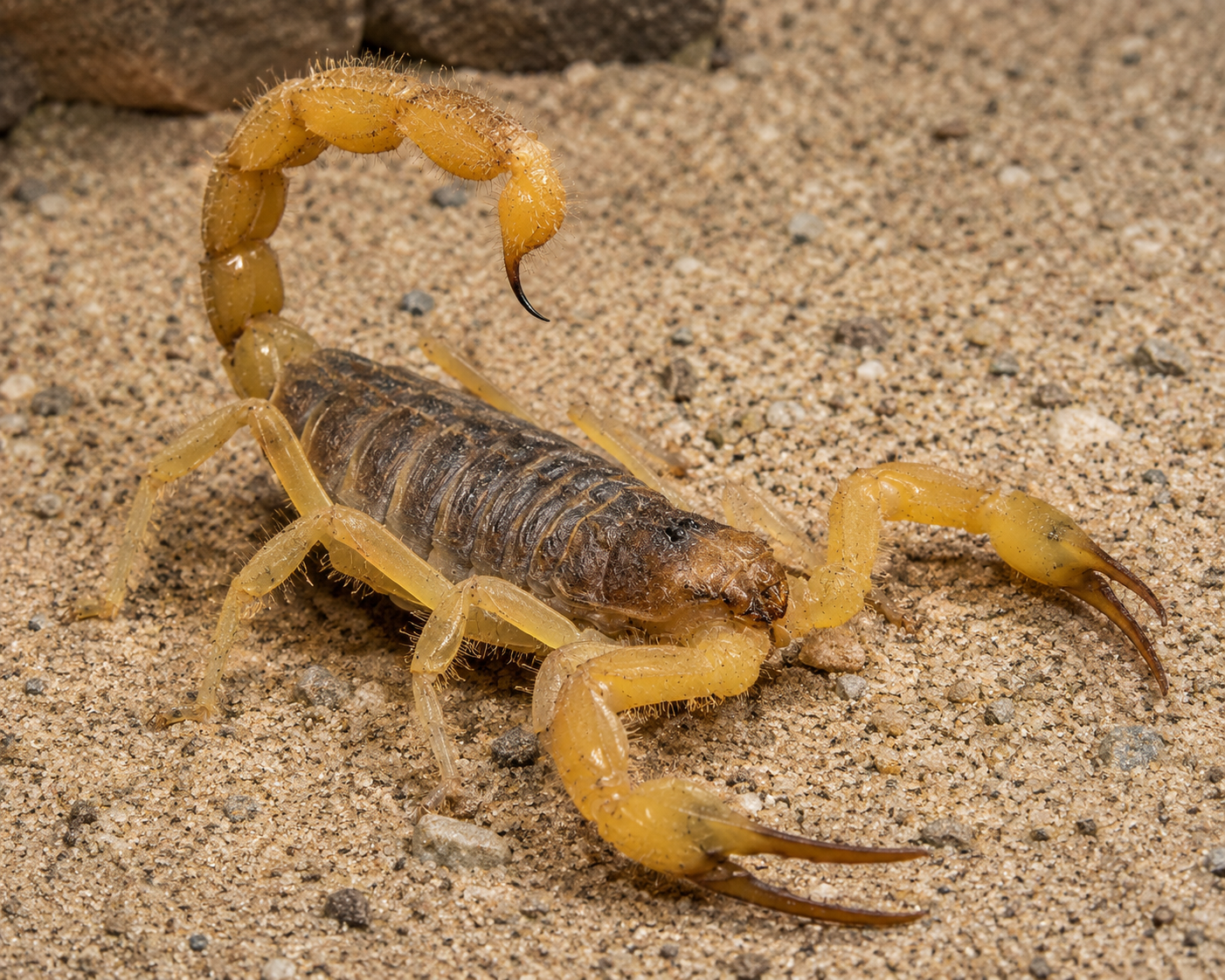
Arizona is home to several species of scorpions, but one of the most impressive is the Desert Hairy Scorpion. Known for its large size and intimidating appearance, the Desert Hairy Scorpion is a common sight throughout the deserts of the Southwest. While these scorpions are less dangerous than Arizona Bark Scorpions, homeowners still prefer to keep them away from their homes and families.
What Is a Desert Hairy Scorpion?
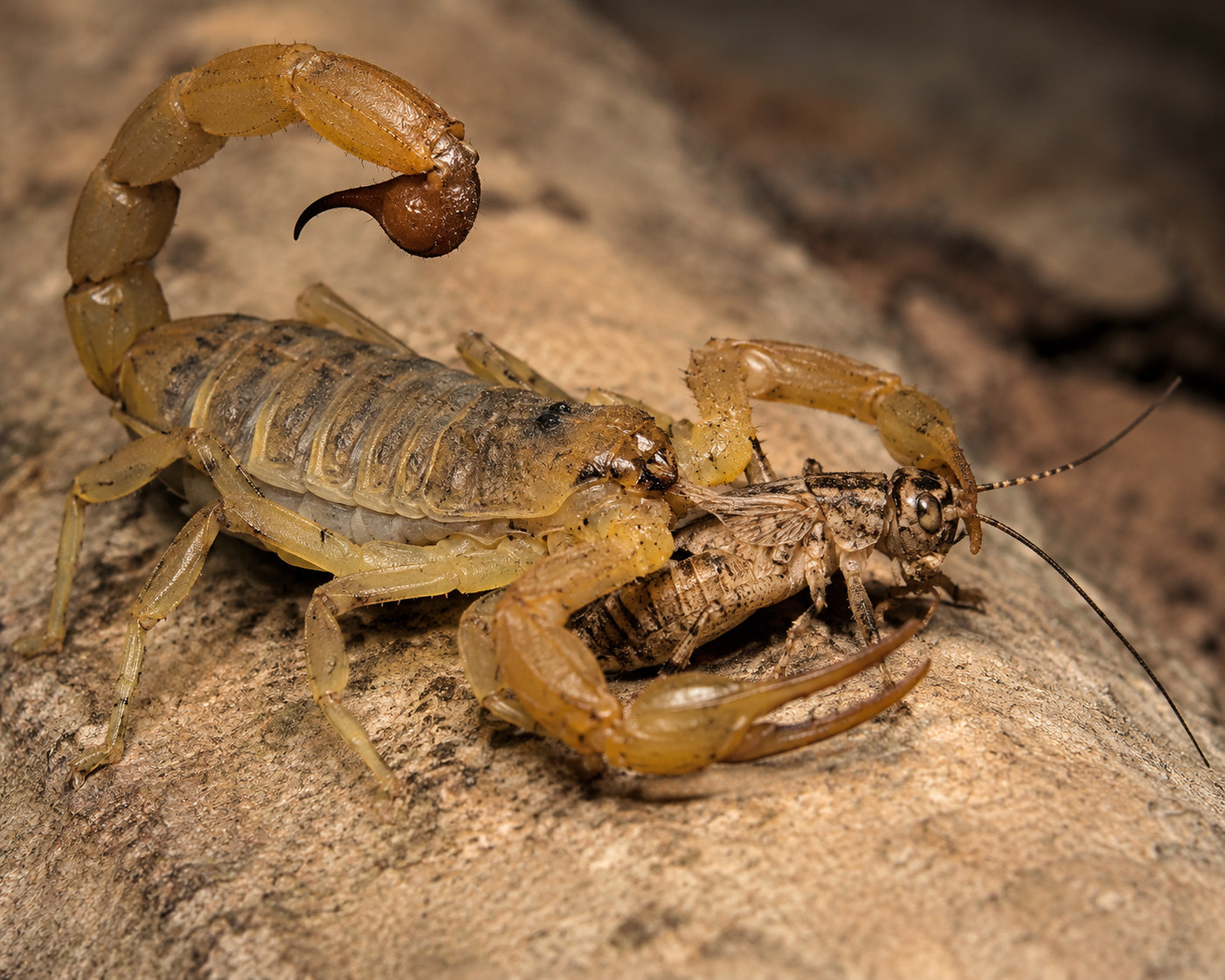
The Desert Hairy Scorpion (Hadrurus arizonensis) is the largest scorpion species found in North America. Adult Desert Hairy Scorpions can grow up to 5 to 7 inches long and are easily identified by their yellowish body, dark back, and the fine hairs covering their legs and tail.
Despite their intimidating appearance, these scorpions are generally less aggressive than Arizona Bark Scorpions and typically avoid human contact whenever possible.
Where Do Desert Hairy Scorpions Live?
Desert Hairy Scorpions are native to the arid regions of:
- Arizona
- Southern California
- Nevada
- New Mexico
- Northern Mexico
In Arizona, they are commonly found in desert environments where sandy soil allows them to dig deep burrows.
Common hiding places include:
- Under rocks
- Wood piles
- Landscaping materials
- Desert washes
- Retaining walls
- Irrigation boxes
- Around foundations
- Underground burrows
Unlike Bark Scorpions that frequently climb walls and enter homes, Desert Hairy Scorpions spend much of their lives in underground burrows.
What Do Desert Hairy Scorpions Eat?
Desert Hairy Scorpions are nocturnal hunters that emerge at night to search for food. They play an important role in controlling insect populations in the desert ecosystem.
Their diet includes:
- Crickets
- Cockroaches
- Beetles
- Spiders
- Ants
- Grasshoppers
- Centipedes
- Small lizards
- Other scorpions
These scorpions use their powerful pincers to capture prey and inject venom through their stinger to immobilize it before feeding.
Are Desert Hairy Scorpions Dangerous?
While Desert Hairy Scorpions can sting, they are generally considered less dangerous than Arizona Bark Scorpions.
Most stings produce symptoms similar to a bee sting, including:
- Pain at the sting site
- Mild swelling
- Redness
- Temporary numbness
Serious reactions are uncommon but can occur in individuals who are allergic or highly sensitive to venom.
Children, elderly individuals, and pets should always be monitored closely if stung by any scorpion.
Although they are not considered medically significant in most cases, no homeowner wants large scorpions wandering around their property.
Why Are Desert Hairy Scorpions Around Your Home?
Several factors can attract Desert Hairy Scorpions to residential properties:
Available Food Sources
Scorpions often follow insect populations. Homes with crickets, cockroaches, spiders, or other insects provide a reliable food source.
Shelter and Hiding Places
Scorpions seek cool, protected locations during the day, including:
- Rock landscaping
- Decorative block walls
- Wood piles
- Storage sheds
- Debris piles
Moisture Sources
Leaking irrigation systems, dripping faucets, and standing water can attract insects, which in turn attract scorpions.
How Pest Control Bros Helps Control Desert Hairy Scorpions
At Pest Control Bros, we understand Arizona scorpions and the conditions that attract them. Our comprehensive approach focuses on reducing both scorpions and the insects they feed on.
Thorough Property Inspection
We inspect your property to identify:
- Scorpion hiding places
- Burrow locations
- Insect activity
- Entry points around the home
- Conditions that attract scorpions
Reduction of Food Sources
Since scorpions feed on insects, we target:
- Crickets
- Cockroaches
- Ants
- Spiders
- Other common desert pests
Reducing insect populations makes your property less attractive to scorpions.
Targeted Scorpion Treatments
Our treatments focus on areas where scorpions commonly hide and travel, including:
- Foundation walls
- Landscaping borders
- Block fences
- Rock beds
- Storage areas
- Utility penetrations
Prevention Recommendations
We help homeowners identify steps to reduce future scorpion activity, including:
- Removing clutter
- Reducing moisture
- Sealing entry points
- Managing outdoor lighting
- Eliminating harborage areas
Why Choose Pest Control Bros?
With over 24 years of pest control experience, Pest Control Bros provides professional pest management services throughout Maricopa and surrounding Arizona communities. We are a family-owned, locally operated company that believes in honest service and no-contract pest control.
Whether you’re dealing with Desert Hairy Scorpions, Arizona Bark Scorpions, cockroaches, spiders, or other pests, we can help protect your home and family.
Call Pest Control Bros Today
If you’ve seen Desert Hairy Scorpions around your property, don’t wait for the problem to grow.
📞 Call Pest Control Bros at (520) 424-5244 today for a professional inspection and customized scorpion control plan.



Leave a Reply