




Where Do Arizona Bark Scorpions Come From?
Arizona bark scorpions are one of the most feared pests in the Southwest, and for good reason. Their painful sting and ability to invade homes make them a serious concern for homeowners throughout Arizona. But where do Arizona bark scorpions actually come from, and why are they so common in cities like Phoenix, Maricopa, Chandler, Mesa, and Tucson?
The Origin of Arizona Bark Scorpions
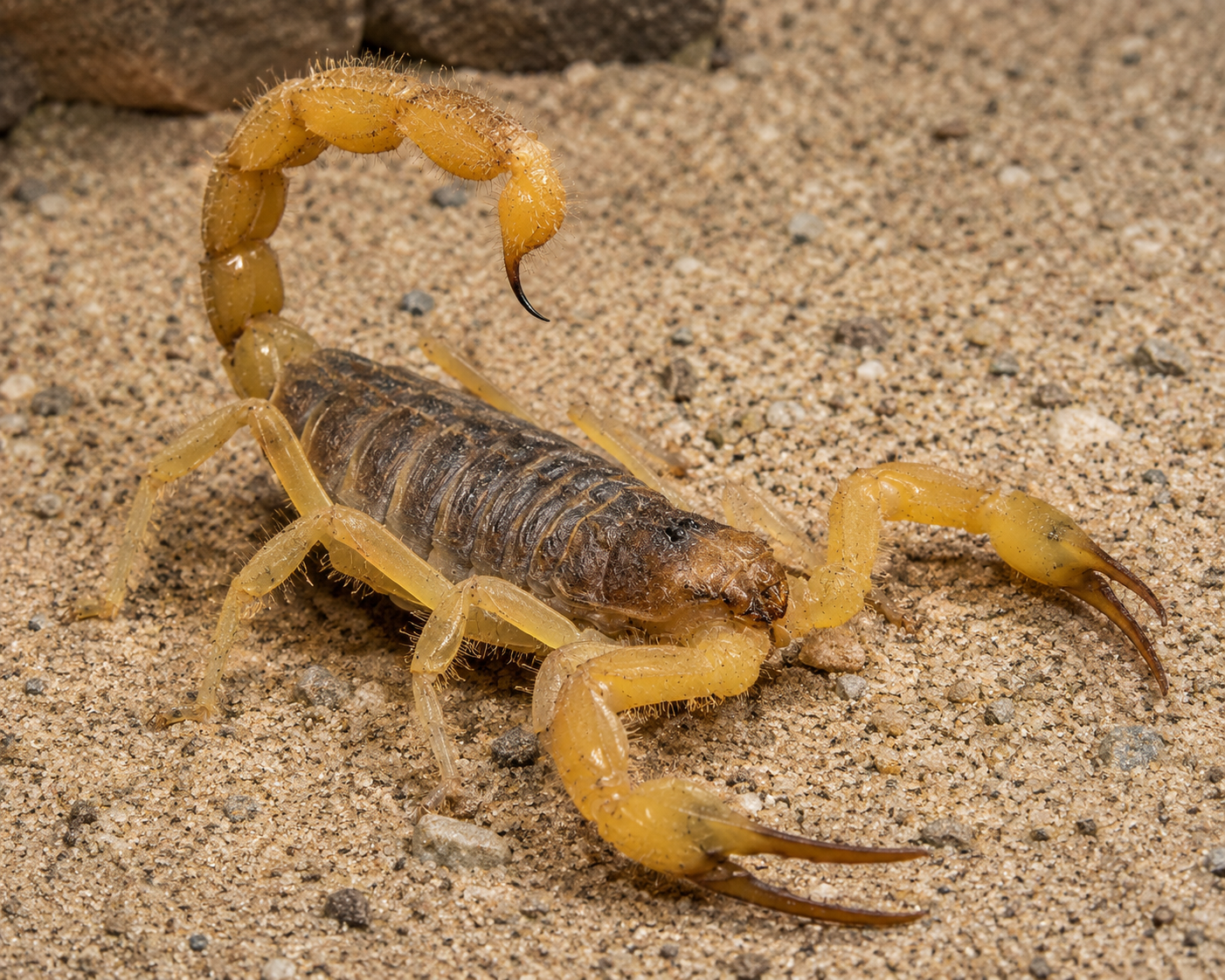
The Arizona bark scorpion (Centruroides sculpturatus) is native to the Sonoran Desert, one of the most biologically diverse deserts in the world. Their natural range includes much of Arizona, southern Nevada, parts of New Mexico, Utah, California, and northwestern Mexico. They have lived in these desert environments for thousands of years and are perfectly adapted to survive Arizona’s extreme heat and dry conditions.
Unlike many pests that arrive through human transportation, bark scorpions are naturally occurring desert predators that evolved in the region long before modern cities existed.
Their Natural Habitat
In the wild, Arizona bark scorpions are commonly found:
- Under rocks and boulders
- Inside rock crevices
- Beneath tree bark
- In desert canyons
- Along washes and riparian areas
- Around fallen logs and wood piles
They prefer cool, dark, and slightly humid hiding places during the day and emerge at night to hunt insects and spiders. Despite being desert animals, bark scorpions are often attracted to areas with increased moisture and insect activity.
Why Are Bark Scorpions So Common Around Homes?
Modern landscaping has unintentionally created ideal bark scorpion habitat. Irrigation systems, decorative rock landscaping, block walls, palm trees, dense vegetation, and outdoor lighting attract insects, which in turn attract scorpions. Residential irrigation also increases humidity levels, making neighborhoods more appealing than the surrounding desert.
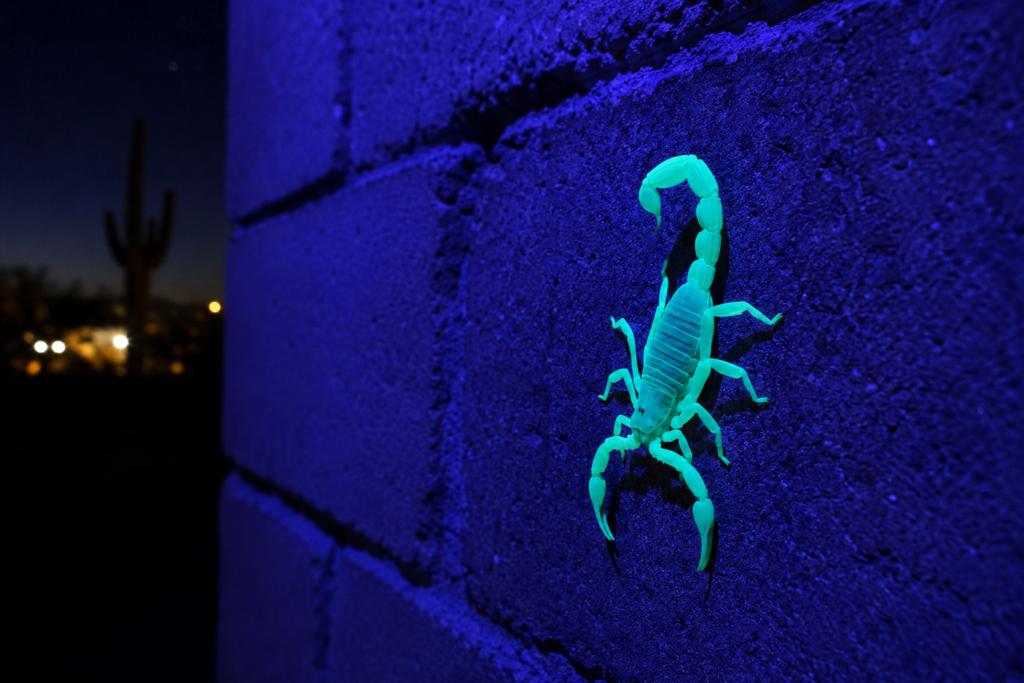
Many homeowners are surprised to learn that bark scorpions are excellent climbers. Unlike most Arizona scorpion species, they can climb block walls, stucco, rough surfaces, trees, and even ceilings. This unique ability allows them to enter homes through tiny openings around doors, windows, plumbing penetrations, and attic vents.
How Bark Scorpions End Up Inside Homes
Bark scorpions enter homes while searching for:
- Water
- Shelter from extreme temperatures
- Food sources such as crickets, roaches, and spiders
- Mating opportunities
Because they can squeeze through extremely small gaps, even well-maintained homes can experience scorpion activity if preventative measures are not taken. Arizona
What Do Arizona Bark Scorpions Eat?
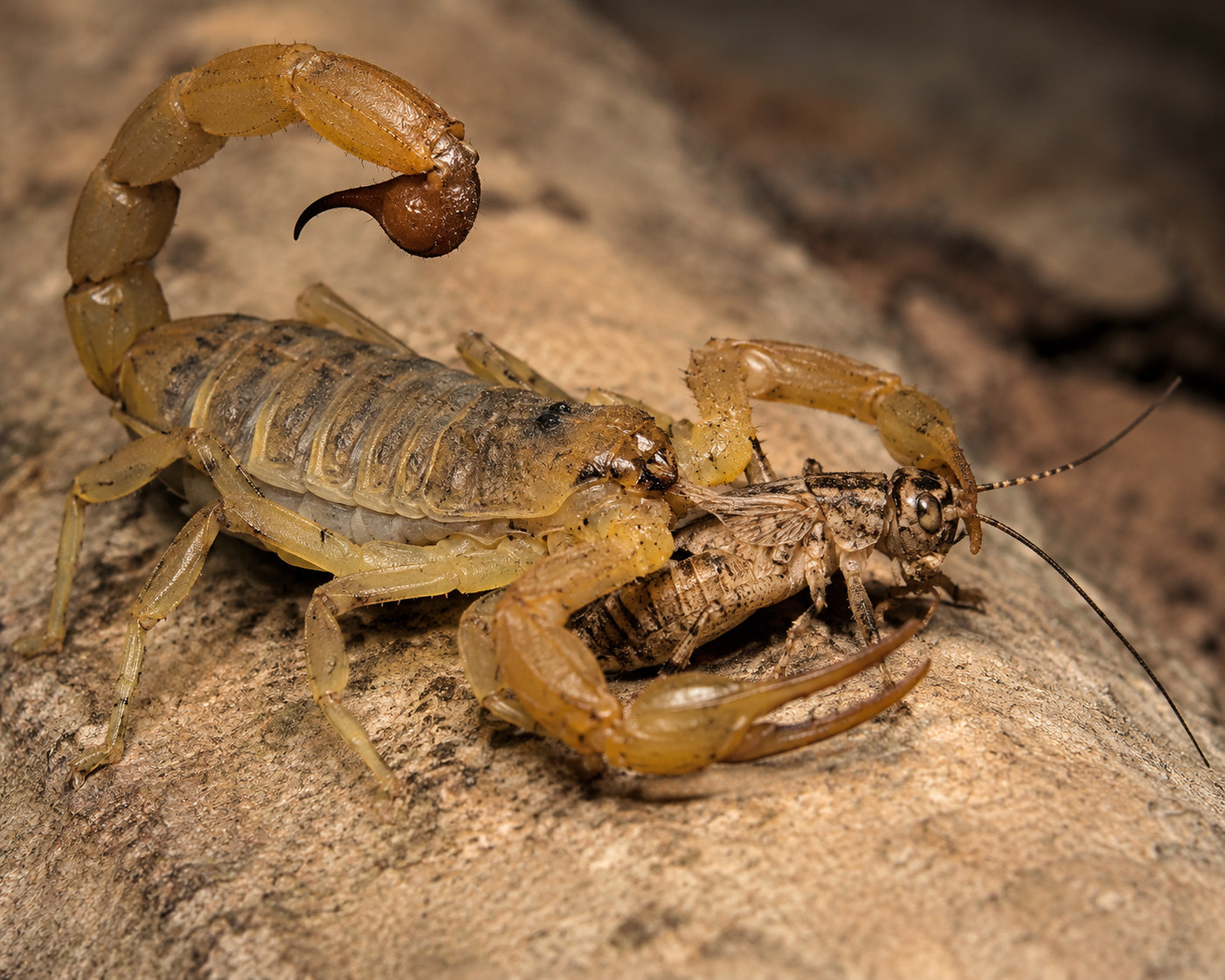
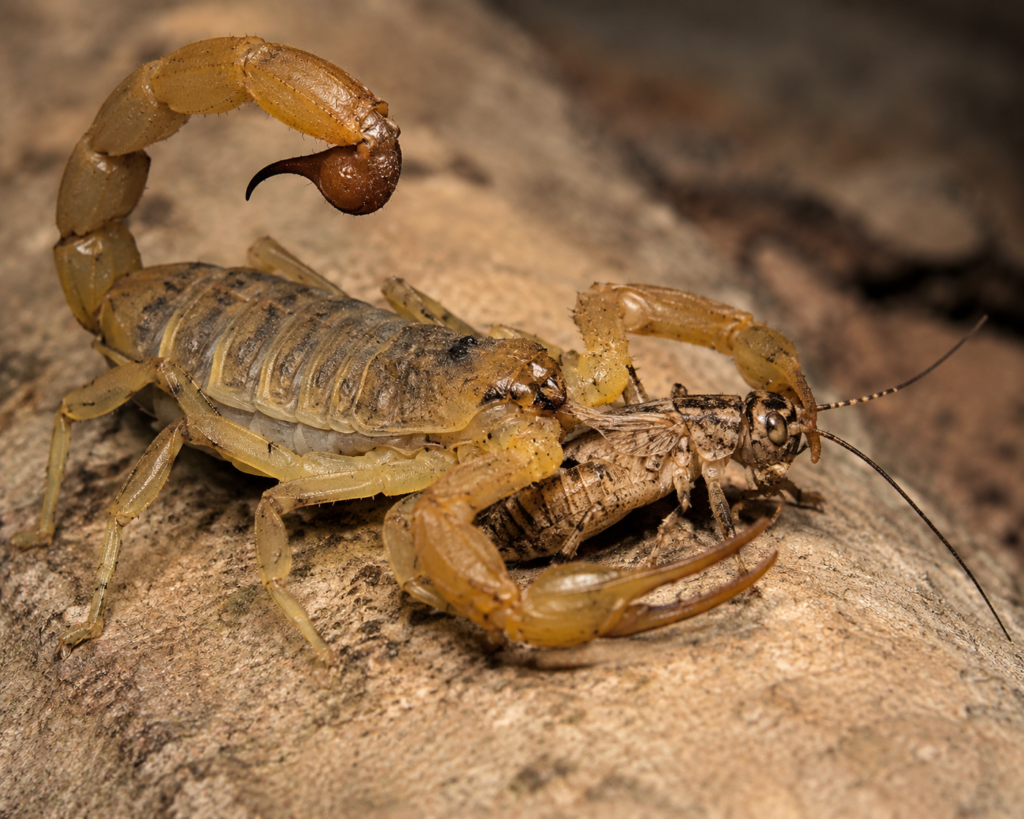
Arizona bark scorpions are nocturnal predators that feed on a variety of insects and other small pests commonly found around homes and businesses throughout Arizona. Their diet helps control some insect populations, but it also means that properties with insect infestations are more likely to attract scorpions.
Common Foods Arizona Bark Scorpions Eat
Arizona bark scorpions commonly feed on:
- Crickets
- Cockroaches
- Ants
- Spiders
- Beetles
- Silverfish
- Earwigs
- Moths
- Flies
- Termites
- Other small insects and arthropods
Bark scorpions use their pincers to grab prey and inject venom with their stinger to immobilize it before feeding.
Why Your Home May Attract Bark Scorpions
One of the biggest reasons bark scorpions invade homes is the availability of food. If your property has an active population of crickets, cockroaches, ants, or other insects, it can become an attractive hunting ground for scorpions.
Common conditions that attract bark scorpions include:
- Outdoor lighting that attracts insects
- Excess moisture around the home
- Overgrown vegetation
- Wood piles and debris
- Unsealed cracks and entry points
- Existing pest infestations
Do Bark Scorpions Eat Other Scorpions?
Yes. Arizona bark scorpions have been known to eat smaller scorpions, including members of their own species when food sources become limited. This behavior, known as cannibalism, is not uncommon among scorpions living in harsh desert environments.
How Pest Control Helps Reduce Bark Scorpions
Because bark scorpions rely on insects for food, one of the most effective ways to reduce scorpion activity is to eliminate their food source. Professional pest control treatments target the insects that attract scorpions while also treating scorpion hiding places around the property.
At Pest Control Bros, we provide professional bark scorpion control services throughout Maricopa, Arizona. Our treatments focus on reducing insect populations, identifying scorpion harborages, and creating protective barriers around your home to help keep bark scorpions away.
Call Pest Control Bros today at (520) 424-5244 for professional Arizona bark scorpion control and inspection services.


How Can a Pest Control Company Help With Arizona Bark Scorpions?
Arizona bark scorpions are one of the most difficult pests for homeowners to control on their own. Unlike many insects, bark scorpions can hide in extremely small spaces, climb walls, and survive harsh desert conditions. Professional pest control services provide a more effective approach to reducing scorpion populations and helping prevent future infestations.
Professional Inspection
A pest control technician will perform a thorough inspection of your property to identify:
- Scorpion hiding places
- Entry points into the home
- Moisture issues that attract pests
- Areas with high insect activity
- Landscaping features that provide shelter
Finding where scorpions are hiding is a critical first step in controlling the problem.
Reducing Their Food Source
One of the most effective ways to control bark scorpions is to eliminate the insects they feed on. Professional pest control treatments target:
- Crickets
- Cockroaches
- Ants
- Spiders
- Earwigs
- Silverfish
- Other insects that attract scorpions
When food becomes scarce, bark scorpions are less likely to remain on the property.
Targeted Scorpion Treatments
Professional pest control companies use specialized products and application methods designed to treat:
- Foundation walls
- Block fences
- Landscaping borders
- Rock piles
- Cracks and crevices
- Garage areas
- Utility penetrations
These treatments help reduce scorpion activity in areas where they commonly travel and hide.
Exclusion Recommendations
Many bark scorpions enter homes through small openings. A pest control professional can identify areas that may need sealing, including:
- Door gaps
- Window gaps
- Utility openings
- Foundation cracks
- Weep holes
- Attic vents
Exclusion helps reduce the chances of scorpions entering the home.
Ongoing Monitoring and Prevention
Because bark scorpions are common throughout Arizona, ongoing pest control service can help maintain protection year-round. Regular treatments help keep insect populations low and reduce conditions that attract scorpions.
Why Choose Pest Control Bros for Bark Scorpion Control?
With over 24 years of pest control experience, Pest Control Bros understands the habits and behavior of Arizona bark scorpions. We take a thorough approach to scorpion control by treating scorpion harborages, reducing insect food sources, and helping homeowners identify conditions that may attract scorpions.
Our goal is to provide professional, reliable service with no contracts and honest recommendations for every customer.
If you’re seeing bark scorpions around your home, contact Pest Control Bros today at (520) 424-5244 for a professional inspection and treatment plan.
Don’t Wait Until Someone Gets Stung
Arizona bark scorpions can pose a serious concern for families, children, and pets. Early detection and professional treatment can help reduce scorpion activity before it becomes a larger problem. Let Pest Control Bros help protect your home and family from Arizona’s most notorious scorpion.


Leave a Reply